Roots in a Bottle: The Southeast Asian American Women Turning Grandma's Kitchen Into a Beauty Empire
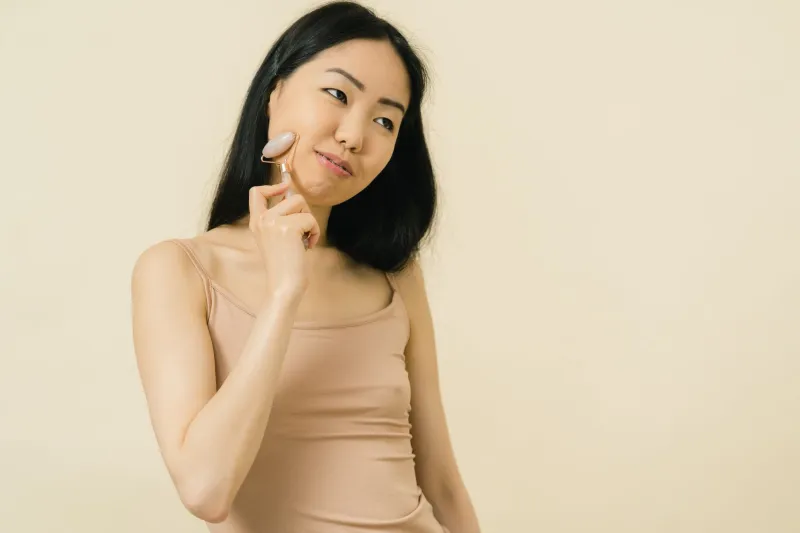
There's a jar of something yellow and fragrant on the bathroom shelf of millions of Southeast Asian households across America. It might be a turmeric-based skin paste, a coconut oil blend, or an herbal compress recipe scribbled in a notebook that survived the journey from Saigon or Vientiane or Chiang Mai. For decades, these remedies lived quietly in kitchens and medicine cabinets, passed between women in whispered instructions and handwritten notes.
Now they're on the shelves at Ulta.
A remarkable cohort of Southeast Asian American women entrepreneurs are transforming ancestral beauty and wellness traditions into consumer brands that are turning heads — and serious revenue — in one of America's most competitive markets. They're not just selling products. They're rewriting who gets to be considered an authority on beauty, wellness, and skin health.
The Ancestral Ingredient Advantage
The timing couldn't be better. American consumers, especially younger ones, have developed a deep appetite for what the industry calls "ingredient transparency" — they want to know exactly what's in their skincare, where it comes from, and whether there's real heritage behind the formula. Southeast Asian beauty traditions, rooted in centuries of botanical knowledge and passed through generations of women, are perfectly positioned to meet that demand.
"My grandmother never called it 'skincare,'" says Linh Nguyen, 34, founder of Hà Nội Glow, a Vietnamese-inspired skincare brand she launched from her apartment in San Jose in 2019. "She called it taking care of yourself. Rice water, gotu kola, green tea — these were just part of life. I just put them in better packaging."
Hà Nội Glow crossed $2 million in revenue last year, driven largely by a rice water serum that went viral on TikTok after a beauty influencer called it "the most effective thing I've tried in ten years." Linh laughs when she hears that. "My grandmother would say, 'Of course it works. We've known that for five hundred years.'"
Five Founders, Five Stories
Linh Nguyen – Hà Nội Glow (Vietnamese American, San Jose, CA) Before launching her brand, Linh spent seven years working in pharmaceutical sales. That corporate background gave her something most indie beauty founders lack: a rigorous understanding of ingredient efficacy and regulatory compliance. When she started formulating products, she worked with a cosmetic chemist to standardize the gotu kola and fermented rice water concentrations her grandmother used intuitively. "I wanted to honor the tradition and prove it scientifically. You don't have to choose one or the other."
Nida Charoenwong – Bai Toey Botanicals (Thai American, Los Angeles, CA) Nida's brand centers on Thai herbal compress therapy — a practice traditionally used by Thai women postpartum and for muscle recovery. She launched Bai Toey (named after the pandan leaf central to Thai herbal medicine) in 2021 as a wellness line featuring compress balls, herbal bath soaks, and aromatherapy oils. Her customer base has expanded well beyond the Thai American community. "Yoga studios, spas, postpartum doulas — they found me. Thai women have been doing postpartum wellness for centuries. The Western wellness world is just catching up."
Sreymom Ek – Angkor Apothecary (Cambodian American, Long Beach, CA) Sreymom's family fled Cambodia during the Khmer Rouge era and rebuilt their lives in Long Beach, home to the largest Cambodian American community in the country. Her brand draws on Khmer beauty traditions — particularly the use of jasmine, ylang-ylang, and tamarind in skincare — and donates 10% of profits to Cambodian American youth programs. "Beauty is never just beauty in my community," she says. "It's survival, it's dignity, it's saying we're still here and we're still beautiful."
Malee Vongkhamphanh – Dok Champa Wellness (Lao American, Minneapolis, MN) Named after Laos' national flower, the dok champa (plumeria), Malee's wellness brand focuses on aromatherapy and stress-relief products rooted in Lao Buddhist temple traditions. Her bestseller is a meditation balm that incorporates beeswax, lemongrass, and kaffir lime — ingredients she sources directly from Lao American farmers in the Midwest. "The supply chain is part of the story. I want Lao farmers in Minnesota to benefit from this too."
Thuy Pham – Mekong Skin Lab (Vietnamese American, Houston, TX) Thuy takes the most science-forward approach of the group. A former biochemist, she founded Mekong Skin Lab to bridge traditional Vietnamese herbal medicine and modern dermatology, creating products specifically formulated for melanin-rich skin tones that are chronically underserved by mainstream brands. "Most skincare is tested on and marketed to lighter skin. I'm building for the people who look like my mother and my aunts."
Why This Demographic, Why Now
The success of these founders isn't accidental. Industry analysts point to several converging factors that have made Southeast Asian American women particularly well-positioned to disrupt the beauty and wellness space.
First, there's the cultural capital. Southeast Asian beauty traditions are genuinely distinctive — different from the Korean beauty wave that dominated the last decade, and largely unexplored by mainstream Western brands. That novelty, combined with deep historical roots, creates a compelling brand story.
Second, there's the community network effect. Southeast Asian American communities, while geographically dispersed, are tightly networked both online and through cultural institutions. A product that earns trust within the community spreads quickly and authentically.
Third — and perhaps most importantly — there's a market gap that these founders identified before the big players did. "Mainstream beauty brands are only now starting to think about diverse skin tones and non-Western ingredients," says retail analyst Dana Park. "These women have been living that knowledge their entire lives. They had a head start that no amount of corporate R&D can replicate overnight."
The Challenges Behind the Glow
None of this has come without friction. Raising capital remains a significant barrier — studies consistently show that women of color receive a disproportionately small share of venture funding. Most of these founders bootstrapped their early stages, relying on savings, small business loans, and community support.
There's also the constant pressure to educate buyers and retail partners about ingredients that aren't yet household names in the U.S. market. "I've had buyers tell me gotu kola sounds 'too exotic' for their customers," Linh says, the frustration still audible in her voice. "I have to explain that it's been used medicinally for over three thousand years. It's not exotic. It's just new to you."
Sreymom adds another layer: the emotional weight of commercializing traditions that carry deep cultural and even spiritual significance. "I think about this a lot. Am I honoring my ancestors or am I commodifying them? I don't have a perfect answer. But I try to stay accountable to my community first, profit second."
The Bigger Picture
What these five founders represent is something larger than a business trend. They are part of a broader reclamation — a generation of Southeast Asian American women who are asserting that their heritage isn't a niche, an aesthetic, or an "exotic" novelty. It's a legitimate source of knowledge, value, and beauty on its own terms.
And the market is starting to agree. As Malee puts it, holding a bottle of her dok champa meditation balm: "This is what my grandmother knew. I'm just making sure the rest of the world gets to know it too."