Drop the Gamelan: How Southeast Asian American DJs Are Building Their Own Club Universe
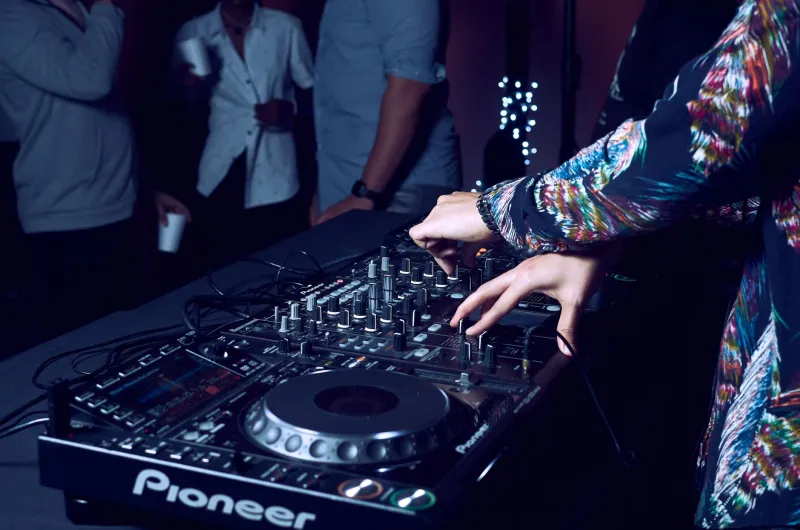
Walk into the right warehouse party in Los Angeles on a Saturday night and you might hear something that stops you mid-step. Under a ceiling of exposed pipes and hazy light, a DJ is layering a hypnotic gamelan loop over a deep house groove. The crowd — a mix of second-gen Khmer kids, Filipino Americans, Thai students, and a handful of curious regulars — isn't confused. They're home.
This is the world Southeast Asian American DJs are quietly constructing, one set at a time, across cities like LA, Houston, Seattle, and the Twin Cities. It's underground, it's intentional, and it's unlike anything you'll find on a mainstream festival lineup.
Sounds From Somewhere Specific
For a long time, electronic music in the US had a geography problem. The dominant sounds — Chicago house, Detroit techno, Berlin minimal — carried their origin stories proudly. But for Southeast Asian American artists who grew up with a completely different sonic inheritance, the genre felt like a house where the furniture didn't quite fit.
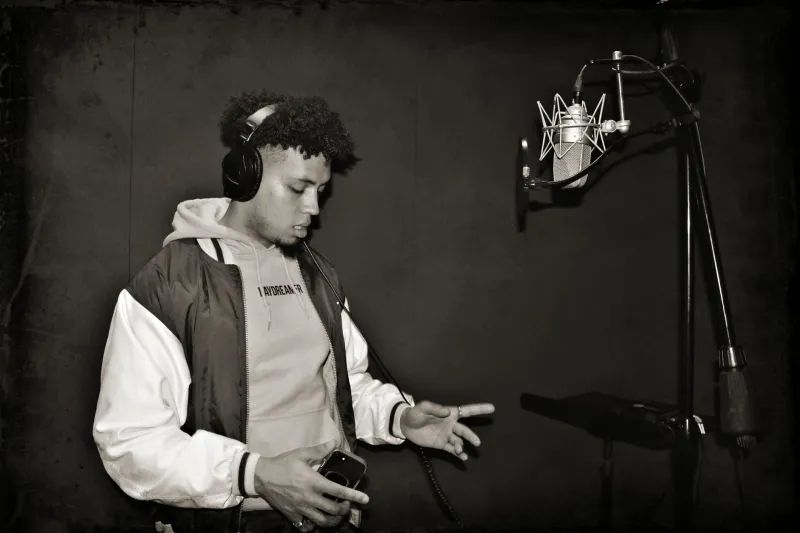
DJs like Minneapolis-based producer Seng V. talk about this tension openly. Growing up Hmong in Minnesota, he spent years trying to fit his music into existing boxes before realizing the box itself needed replacing. "I started sampling my dad's cassette tapes — old Hmong folk songs he brought from the camps — and running them through my drum machine," he's said in interviews. "People kept asking what genre it was. I stopped trying to answer that."
That refusal to categorize is part of the movement's DNA. These artists aren't making "world music" for a curious Western audience. They're making club music for themselves and their communities, drawing on regional traditions — Javanese gamelan, Thai mor lam, Vietnamese đàn tranh, Cambodian pinpeat — as raw material rather than novelty.
The Cities Where It's Happening
Every city has its own flavor.
In Houston, where one of the largest Vietnamese American populations in the country lives, the club scene has developed a distinctly Southeast Asian underbelly. Promoters running events under names like Mekong Nights have carved out monthly residencies that pull from Vietnamese American youth culture without leaning on the tourist-friendly aesthetic that often flattens the diaspora experience.
Seattle's scene is heavily influenced by its Filipino and Cambodian communities. The city's long history of Filipino American music — from the ballroom era of the 1930s to the hip-hop wave of the '90s — gives today's DJs a deep well to pull from. Artists there are increasingly blending kundiman-influenced chord progressions with lo-fi and ambient techno, creating something that sounds both ancient and forward-facing.
The Twin Cities, home to the largest Hmong population outside of Southeast Asia, have their own circuit of events that regularly feature DJs incorporating traditional Hmong qeej (a mouth organ) samples alongside trap hi-hats and acid bass lines. It shouldn't work on paper. It absolutely works in practice.
Third-Culture Dance Floors
What makes these spaces different from a typical club night isn't just the music. It's the social architecture around it.
The concept of "third-culture" — that in-between space where diaspora kids negotiate their identities — gets expressed physically on these dance floors. You'll see people who grew up speaking Khmer at home and English at school finally hearing both parts of themselves reflected in the same moment. That's not a small thing.
Promoters building these events talk about intentionality a lot. Curating the crowd, the visual elements, the food vendors, the language on the flyers — everything signals that this space was made with a specific community in mind, not just marketed to them after the fact.
Some events operate almost entirely through word of mouth and group chats, deliberately staying off the radar of the broader club-going public. It's not exclusivity for its own sake. It's protection. Mainstream attention has a way of changing things, and these communities have seen enough of their cultural expressions get flattened, repackaged, and sold back to them.
Pushing Against the Algorithm
The underground nature of this scene is both a strength and a challenge. Without the promotional machinery of major labels or booking agencies, these DJs rely on community networks, social media, and mutual support to stay visible.
Some have found ways to use platforms like SoundCloud and Bandcamp to reach diaspora listeners in other cities who didn't even know this music existed. A set recorded at a Houston warehouse ends up in the ears of a Lao American kid in Atlanta who's been looking for exactly this his whole life.
But visibility cuts both ways. The more attention these artists attract, the more pressure they face to explain themselves to audiences who don't share the cultural context. There's a real risk of being exoticized — of having your grandmother's folk melody treated as an interesting texture rather than a living tradition.
The DJs navigating this most successfully are the ones who've learned to control their own narrative. They write their own liner notes. They choose which interviews to give. They decide when to play the big festival and when to stay in the basement.
What Comes Next
The Southeast Asian American DJ scene isn't asking for a seat at the mainstream table. It's building its own table, in its own space, with its own rules.
That might sound like a limitation. It's actually a superpower. The freedom to make music that doesn't have to explain itself to anyone outside the community produces a kind of artistic confidence that's hard to manufacture. These sets hit differently because they were made with love and specificity, not market research.
As more young Southeast Asian Americans find their way into production, DJing, and event organizing, the scene will only deepen. The sounds will get stranger, more layered, more confident. The communities around them will grow.
And somewhere in a warehouse with bad lighting and great sound, someone's going to hear a gamelan loop over a deep house kick and feel, maybe for the first time, like the music was made for them.
It was.