One Viral Video, One Real Career: Southeast Asian American Artists Are Playing the Long Game After Their TikTok Moment
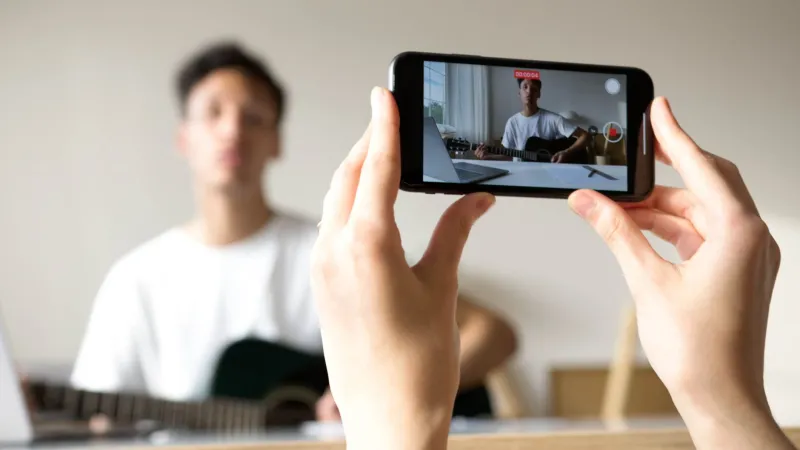
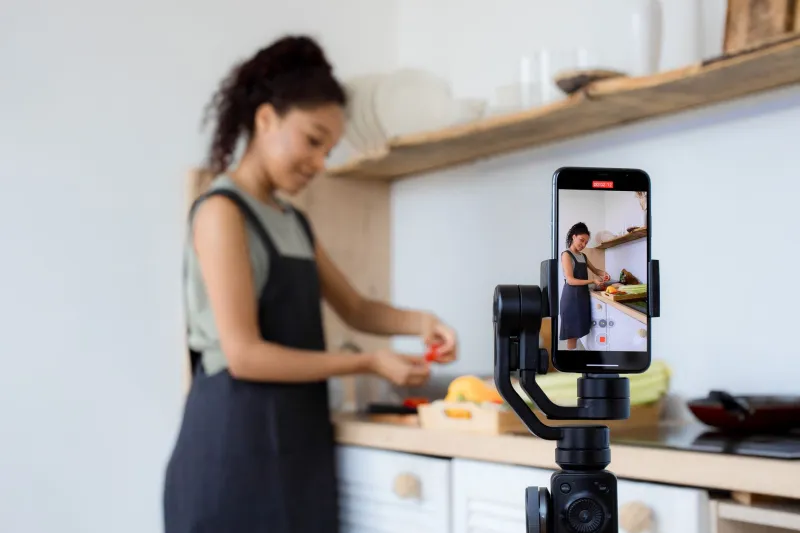
Let's be real about what virality actually feels like. One week you're posting a cover in your apartment at 1am, and the next week your DMs are a disaster zone, a mid-size record label is emailing your manager (you now have a manager), and someone in the comments is asking if you're performing at a festival you've never heard of. It's exciting. It's also a trap, if you're not careful.
For Southeast Asian American musicians navigating the post-viral moment, the stakes are especially complicated. These artists aren't just managing a career pivot — they're managing identity, representation, and the very real pressure of being one of the few Southeast Asian faces in a mainstream music space that wasn't exactly waiting for them.
The Clip That Changes Everything
The mechanics of a breakout TikTok moment are both random and ruthlessly logical. The algorithm rewards specificity, emotion, and novelty — which, it turns out, is exactly what happens when a Filipino American singer posts an original song that blends Tagalog lyrics with R&B production, or when a Vietnamese American artist performs a reimagined cải lương melody over a modern trap beat.
These moments travel because they're genuinely different. They hit pockets of the diaspora who've been waiting to see themselves reflected in contemporary music, and they also attract curious listeners from outside those communities who recognize something emotionally true even without the cultural context.
But the clip is just the beginning. What happens in the weeks after determines whether an artist builds something lasting or rides a wave that drops them back where they started.
The Algorithm Knows What You Did Last Summer
Here's the uncomfortable part: TikTok's algorithm is very good at putting you in a box and leaving you there.
If your viral moment came from a video where you sang a traditional Vietnamese folk melody, the platform will keep serving your content to people who engage with "Vietnamese music" and "Asian heritage" content. That's a real audience, and it matters — but it can also create a ceiling.
Multiple Southeast Asian American artists have talked about this challenge in interviews and on their own social channels. The frustration of being algorithmically sorted into a "cultural content" category when you're trying to build a career as a pop artist, a rapper, or an indie singer-songwriter is real. You become a representative of your ethnicity before you get the chance to just be a musician.
The artists handling this most effectively are the ones who treat the algorithm like a landlord — you have to work with it, but you don't let it own you. They post with intention, vary their content deliberately, and use their initial viral audience as a launchpad rather than a permanent address.
Case Studies in Momentum
Take the trajectory of artists like Ylona Garcia, the Filipino Australian singer who built a massive TikTok following before landing a deal with 88rising and releasing music that moves between English and Tagalog without treating the code-switching as a gimmick. Her strategy post-virality was to lean into her full identity rather than smooth it out for a broader audience — and it worked.
Closer to the underground, there are artists like Audrey Nuna, a Korean American artist (yes, East Asian, but her blueprint is instructive) whose lo-fi TikTok clips translated into a deal with Republic Records and a tour with Doja Cat. The lesson her trajectory offers diaspora artists broadly: use the platform to show range, not just your most marketable moment.
For Southeast Asian American artists specifically, the 88rising ecosystem has been one important pathway — a label and media company that has actively built infrastructure around Asian American music and helped artists navigate the space between viral moment and sustainable career. But it's not the only path, and some artists are deliberately building independently.
Festivals, Touring, and the Physical Proof of Career
In the music industry, streaming numbers and follower counts only tell part of the story. The real proof of career momentum is the ability to sell tickets and get booked on stages.
For Southeast Asian American artists who've broken through online, the translation to live performance is where things get interesting — and where community becomes a genuine business asset.
Events like Head in the Clouds, 88rising's annual festival in LA, have demonstrated that there is a real, paying audience for music that centers Asian American identity. The festival regularly sells out. But beyond the flagship events, artists are building touring circuits through diaspora communities in cities like Houston, San Jose, Seattle, and the Twin Cities — cities with large Southeast Asian populations that have been dramatically underserved by mainstream touring routes.
A Vietnamese American indie artist who went viral on TikTok can do real numbers playing a 500-capacity venue in San Jose to a community that has been waiting years for someone who sounds like them to come to town. That's not a consolation prize. That's a sustainable touring business.
Reclaiming the Narrative
Perhaps the most important shift happening among Southeast Asian American artists post-virality is the move toward narrative control.
The music industry has a long history of flattening Asian American artists into digestible, non-threatening versions of themselves. The pressure to explain your cultural references, to make your heritage palatable, to be the "diverse" option rather than just the best option — it's exhausting and it's real.
The artists pushing back most effectively are doing it through ownership. Owning their masters. Running their own social channels without filtering everything through a label's PR lens. Writing their own bios. Choosing which press opportunities to take and which to skip.
They're also building community infrastructure that doesn't depend on mainstream validation. Group chats, Discord servers, Patreon memberships, direct-to-fan email lists — the boring, unsexy stuff that actually keeps a music career alive between viral moments.
The Long Game
Viral fame and a music career are not the same thing. One lasts about three weeks. The other takes years of deliberate work, smart decisions, and a community that's actually invested in your success.
For Southeast Asian American musicians, the exciting thing is that the community piece is genuinely there. The diaspora is large, increasingly affluent, deeply connected online, and hungry for music that reflects its experience. That's not a niche. That's a market.
The artists who figure out how to serve that community authentically — while also building bridges to broader audiences without sacrificing what makes them specific — are the ones who'll still be releasing music and selling out shows five years from now.
The TikTok moment is just the door opening. What matters is what you do once you walk through it.