More Than a Medal: How Southeast Asian American Athletes Are Building Community Through Sport
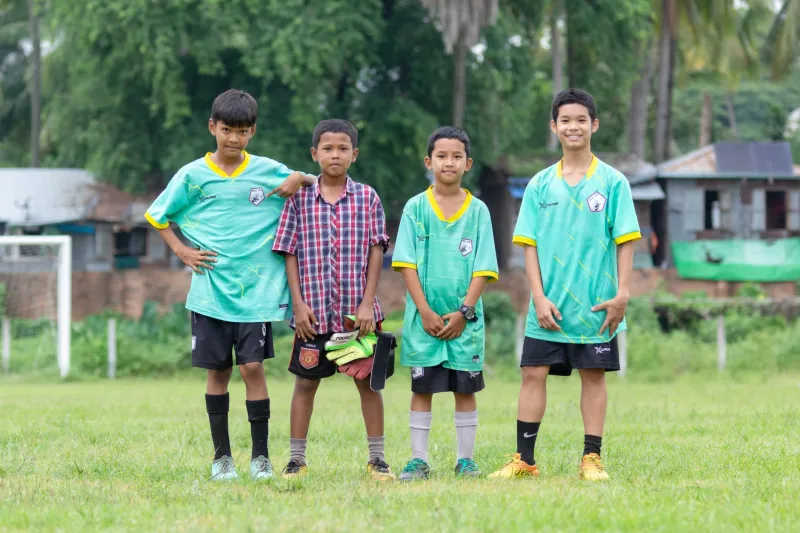
There's a moment that happens at almost every Southeast Asian community tournament across the country. It doesn't matter if it's a Cambodian futsal league in Long Beach, a Hmong volleyball tournament in Minneapolis, or a Filipino basketball bracket in the Bay Area. Someone's grandma is sitting in a folding chair on the sideline. There's food — always food. And the kids on the court? They're playing like something bigger than a trophy is on the line.
Because it is.
For Southeast Asian Americans, sports have never just been about athletic achievement. They've been about carving out space. Proving something. Showing up in arenas — literal and figurative — where the community has historically been told it doesn't quite fit.
The Stereotype Nobody Asked For
Let's be honest about the elephant in the gym: Asian Americans in the US have long been funneled toward academic achievement in the cultural imagination, not athletic glory. The "model minority" myth doesn't exactly leave room for a power forward or a striker. And Southeast Asians specifically — Hmong, Lao, Vietnamese, Cambodian, Filipino, Thai, and others — have often been rendered invisible even within broader Asian American conversations about representation.
That invisibility has real consequences. It shapes who gets recruited, who gets coached, and who gets to see themselves reflected in the athletes they grow up watching.
But spend five minutes with any of the coaches, athletes, and organizers who are actively building Southeast Asian sports culture in their communities, and you'll see that the tide is shifting — not because the mainstream suddenly noticed, but because these communities built something of their own.
Grassroots First, Always
In cities like Fresno, Sacramento, St. Paul, and Seattle — places with dense Southeast Asian diaspora populations — community sports leagues have been doing the heavy lifting for decades. Hmong soccer tournaments, in particular, have grown into massive annual events that draw thousands of participants and spectators from across the country. These aren't just games. They're reunions. They're cultural preservation in cleats.
Coaches at this level are rarely paid. They're parents, uncles, older siblings who showed up because someone needed to. And many of them will tell you the same thing: the sport is the hook, but community is the product.
"I started coaching because I didn't want the kids in my neighborhood to have nowhere to go after school," says one Lao American youth soccer coach based in the Pacific Northwest. "But what I realized pretty fast is that when you give a kid a jersey and a team, you give them an identity. And when that jersey has something to do with where they come from, that identity gets a lot stronger."
This grassroots infrastructure — often underfunded, rarely spotlighted — is the foundation on which the next generation of Southeast Asian American athletes is being built.
When the Community Watches, Something Changes
Representation in sports works differently than in film or music. When a kid sees someone who looks like them, shares their last name, or comes from the same neighborhood making plays on a field or court, the effect is visceral. It's not abstract inspiration — it's a direct rewrite of what feels possible.
Filipino Americans have perhaps the longest and most visible history of navigating this dynamic in the US, with boxing providing a generational through-line from Carlos Palomino to Manny Pacquiao to a newer wave of fighters who grew up in America. But across the broader Southeast Asian diaspora, athletes are beginning to emerge in sports that communities had to fight to access in the first place.
College athletics is one space where this is becoming more visible. Hmong American athletes have been quietly making rosters in football, wrestling, and track programs at universities across the Midwest and West Coast. Vietnamese American swimmers, gymnasts, and martial artists are competing at elite levels. And in esports — a newer frontier that Southeast Asian communities have embraced enthusiastically — the representation conversation is already well underway.
What's notable is how many of these athletes carry their cultural identity deliberately. They're not trying to assimilate into a neutral athletic persona. They're showing up as themselves — and that choice is its own kind of political act.
Mentorship as the Real MVP
Ask any Southeast Asian American athlete who made it to a competitive level and they'll almost always credit someone from the community who saw them first. A coach at a temple league. An older cousin who trained with them in the driveway. A parent who drove three hours each way to a tournament because they believed.
This informal mentorship network is one of the most powerful and least discussed engines of Southeast Asian American athletic development. And increasingly, athletes who've moved through it are turning around and formalizing what they received.
Youth programs tied to cultural organizations — Cambodian mutual aid groups, Lao community centers, Vietnamese American associations — are beginning to incorporate structured athletic programming alongside language classes and cultural events. The logic is simple and smart: sports bring kids in the door, and once they're in, the community can do its broader work.
For the mentors running these programs, the goal isn't to produce professional athletes, though that would be a welcome outcome. The goal is to produce young people who are confident, connected, and proud of where they come from.
Beyond the Sidelines
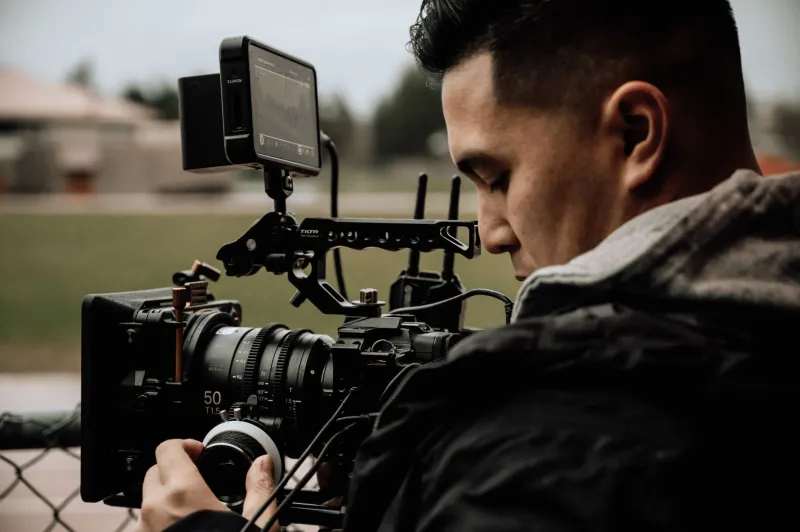
It's also worth noting that Southeast Asian Americans are making moves in sports spaces that go beyond playing. Coaches, athletic trainers, sports journalists, and team administrators from the community are slowly but steadily entering professional and collegiate sports ecosystems.
These behind-the-scenes roles matter enormously. They shape culture, influence decisions, and create the conditions under which the next wave of Southeast Asian athletes will — or won't — feel welcome. Every Southeast Asian American scout who evaluates a Hmong kid from Fresno, or every Filipino American sports journalist who covers a local team, is doing quiet but consequential work.
And in the age of social media, athletes and figures from the community are also finding ways to build their own platforms, bypassing traditional gatekeepers to speak directly to audiences who've been waiting to see themselves reflected.
The Field Is Bigger Than the Field
What Southeast Asian American athletes and coaches are building isn't just a sports story. It's a story about belonging, about the long game of cultural persistence, and about what happens when a community decides to stop waiting for an invitation and starts creating the space itself.
The tournaments will keep happening. The folding chairs will keep filling up. The grandmas will keep watching. And the kids on the field will keep playing like something bigger than a trophy is on the line.
Because it always is.