Clock In, Clock Out, Clock In Again: The Southeast Asian Americans Running Businesses While the Rest of the World Sleeps

The alarm goes off at 6:15 a.m. By 7, Maylina Chea is on the highway toward her data analyst job in suburban Atlanta. By 6 p.m., she's back home — and her second shift begins. Containers get labeled. Orders get packed. DMs get answered. By midnight, she might finally sit down. Not to rest, exactly. More like to plan tomorrow.
Maylina isn't unusual. Across the country, Southeast Asian Americans are quietly running parallel lives — holding down salaried work while building something that's entirely theirs on the side. A catering operation. A digital branding studio. A handmade jewelry line. A creative collective that doubles as a community anchor. The hours are brutal. The rewards are slow. But for a lot of folks, waiting for the "right time" was never really an option.
The Math Nobody Teaches You
Here's the thing about building a business between shifts: it forces a kind of financial clarity that business school can't replicate. When your startup budget is whatever's left after rent, groceries, and remittances home, you learn fast what actually matters.
For Tuan Nguyen, a mechanical engineer by day and custom furniture maker by night in Houston, that clarity came early. "I couldn't afford to experiment endlessly," he says. "Every dollar I put into tools or materials had to come back somehow. That pressure made me sharper." His woodworking side business — which started as Instagram posts of weekend projects — now brings in more some months than his day job. He hasn't quit yet. But the math is getting interesting.
This kind of bootstrapped pragmatism runs deep in Southeast Asian American communities. Whether it's the children of Vietnamese refugees who watched parents work triple shifts, or second-generation Filipino Americans who saw their parents send money home every month without fail, there's a learned relationship with resourcefulness that doesn't require a TED Talk to understand. You work with what you have. You don't wait for conditions to be perfect.
The Community Network Is the Infrastructure
One thing that separates a lot of these midnight entrepreneurs from their solo-hustle counterparts? They're rarely actually working alone.
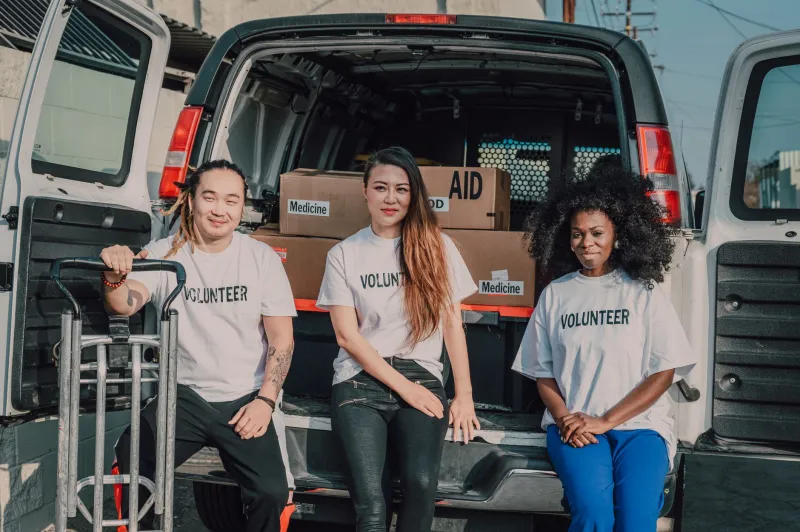
Sophia Vongkhamchanh runs a Lao American food business out of Minneapolis — think fermented fish dips, sticky rice kits, and house-made sauces that she sells at local markets and ships nationwide. She works a full-time administrative job. The business? That runs on a network that includes her mom, her aunt, two cousins, a childhood friend who handles her social media, and a rotating cast of community members who show up on big prep days.
"It's not a formal thing," she says. "It's just how we do it. Someone brings their kids, someone brings snacks, and we all just get it done together." That informal collective model — part family business, part community project — is something she sees replicated across the Southeast Asian American entrepreneurs she knows. "We share suppliers. We share booth space at markets. We hype each other's launches. It's not competition. It's more like... a crew."
That crew mentality isn't just feel-good — it's genuinely strategic. Shared resources lower overhead. Community trust accelerates customer acquisition. When Sophia posts about another Lao American food brand she loves, her audience listens. The endorsement carries cultural weight that no paid ad can manufacture.
The Identity Question That Never Fully Goes Away
Building a business around Southeast Asian culture while living in America comes with a specific kind of tension. You want to share what's yours. You also don't want to flatten it into something that fits neatly on a product label.
Khmer American ceramicist Bopha Ros, who works a part-time teaching job in Long Beach while running her ceramics studio on weekends, has thought about this a lot. Her pieces incorporate traditional Cambodian motifs — apsara figures, lotus patterns, the geometric language of Angkor. They sell well at craft fairs and on Etsy. But she's careful about how she talks about them.
"I don't want to just be 'the Khmer pottery lady' for people who want something exotic for their shelf," she says. "I want people to understand there's a whole civilization behind these shapes. The art is a door, not a decoration." She's started including short written cards with each piece — a paragraph about the motif's origins, its meaning, its history. It slows down the transaction. That's the point.
This push and pull — between accessibility and depth, between market appeal and cultural integrity — is something a lot of Southeast Asian American entrepreneurs navigate in real time, often without a roadmap.
What Keeps the Engine Running
Ask any of these folks what keeps them going through the exhaustion, and the answers tend to cluster around a few themes.
Proof of concept. There's something powerful about showing your parents — who maybe sacrificed everything for stability — that you can build something of your own without abandoning security entirely. The side hustle becomes a kind of living argument.
Creative survival. A lot of midnight entrepreneurs describe their second job as the thing that keeps them sane during the first one. The desk job pays the bills. The business feeds something else.
Legacy. This one comes up more than you'd expect. "I want my kids to know that we built something," says Tuan. "Not just that we worked hard for someone else. That we made something." For communities whose histories include displacement, loss, and starting over, the idea of building something that lasts carries extra weight.
The Long Game
Most of these entrepreneurs aren't planning to quit their day jobs next month. The transition, if it comes, is something they're approaching with the same methodical patience they bring to everything else. Hit a revenue milestone. Build a cushion. Test the waters. Then maybe.
But even if the business never fully eclipses the paycheck, it's already done something. It's created community. It's preserved culture. It's proven something to the person running it — and to everyone watching.
Maylina finally hired a part-time delivery driver last spring. It was the first time she'd ever paid someone else to help her build her own dream. She cried a little, she admits. "It felt real. Like, okay. This is actually a thing."
It is a thing. A whole movement of things, actually — happening quietly, every night, all across the country, long after the rest of the world has logged off.