Thread by Thread: Southeast Asian American Designers Are Stitching Heritage Into the Future of Fashion
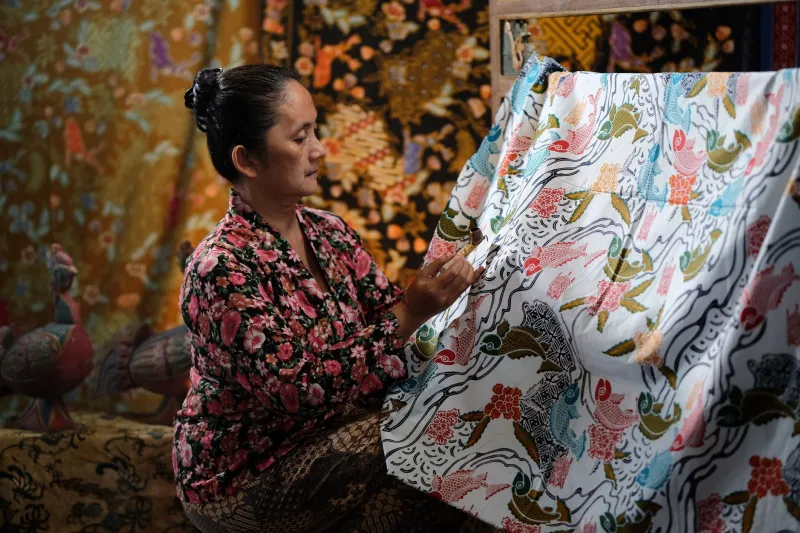
Walk into any fast fashion retailer this season and you'll probably spot something that looks vaguely Southeast Asian — a print that resembles batik, a silhouette that nods to a sarong, maybe a fabric that's supposed to feel like silk but definitely isn't. Mass production has a long history of borrowing cultural aesthetics without crediting the communities they came from. But a growing wave of Southeast Asian American designers is done watching that happen from the sidelines.
They're building something different. Something slower, more intentional, and honestly — a lot more interesting.
Not "Ethnic Wear." Just Wear.
For a long time, traditional Southeast Asian textiles in the American market got boxed into a narrow category: costumes for Lunar New Year, maybe a gift shop kurta, or something your auntie wore to a cousin's wedding. Designers like Manila-born, Los Angeles-based Marisol Reyes are actively dismantling that framing.
"People kept asking me if my pieces were 'for special occasions,'" says Reyes, whose brand uses hand-dyed piña fiber and Philippine hablon weaves in structured blazers and wide-leg trousers. "I had to start explaining — no, this is a Tuesday. This is a work meeting. This is just clothes."
That reframing is central to what this generation of designers is doing. They're not creating capsule collections for heritage months. They're building full wardrobes, drop by drop, that happen to be rooted in centuries-old craft traditions.
In Atlanta, Cambodian American designer Sophea Chann has spent the last three years sourcing Khmer silk directly from weaving cooperatives in Siem Reap and Takéo province. Her pieces — mostly unisex, mostly designed for city life — show up in muted earth tones that feel very much at home in a contemporary American wardrobe. The krama plaid, a textile pattern deeply embedded in Cambodian identity, appears in her scarves and oversized shirts without any explanatory label attached.
"I don't want to put a little card in the bag that says 'here's the history of the krama," she says. "I want people to wear it, love it, and then go look it up themselves because they're curious. That curiosity is more powerful than a paragraph of context."
The Economics of Going Slow
Here's the part nobody wants to talk about: sustainable, heritage-rooted fashion is expensive to produce. Sourcing handwoven textiles directly from artisan communities, paying fair wages throughout the supply chain, and refusing to outsource to factories that cut corners — all of it adds up fast.
For designers operating without the backing of a major fashion house, that financial pressure is real. Many are running pre-order models, limited drops, and community-supported production cycles just to stay solvent.
Thai American designer Nat Wongprasert, who splits time between Houston and Chiang Mai, produces a line of streetwear that incorporates northern Thai mudmee silk and naturally dyed cotton from hill tribe cooperatives. Her hoodies and cargo pants regularly sell out — but she keeps production numbers intentionally small.
"I could scale. People have offered to help me scale," she says. "But the moment I do that, I lose the relationships. The woman who dyes my indigo fabric has been doing it for forty years. If I suddenly need ten times the volume, she can't do that, and I'm not going to find someone in a factory who can replicate what she does. So we stay small."
Gen Z consumers — particularly those in the Southeast Asian American diaspora — are increasingly comfortable with that model. They've grown up watching fast fashion's environmental and human cost get documented in real time on social media. Many of them are actively seeking out alternatives, and they're willing to wait for a pre-order and pay a higher price point when they understand what they're paying for.
Heritage Without the Gatekeeping
One of the more interesting tensions in this space is the question of who gets to work with these textiles. Some designers are themselves from the communities whose fabrics they use. Others are Southeast Asian American but working across ethnic lines — a Vietnamese American designer incorporating Indonesian batik, for example.
The conversations around this are ongoing, and they're not always comfortable. But most designers in this space seem to agree on a few principles: direct relationships with source communities matter, fair compensation matters, and transparency about where materials come from is non-negotiable.
For Marisol Reyes, the bigger concern isn't internal community debate — it's the continued appropriation happening at the corporate level. "When a major brand puts out a 'batik-inspired' print made in a factory with no connection to Indonesia, that's the problem. That's what we're pushing back against."
What Comes Next
The brands in this space are still largely operating under the radar of mainstream American fashion media. You won't find them in Vogue's September issue. But they're building loyal customer bases through Instagram, community pop-ups, and word of mouth that travels fast through diaspora networks.
Some are starting to get noticed outside those circles. Nat Wongprasert was recently featured in a sustainability-focused fashion editorial in a regional Texas magazine. Sophea Chann's work appeared in an Atlanta gallery show examining diaspora identity. These aren't massive platforms, but they're meaningful ones.
More importantly, they're building businesses that don't depend on mainstream validation to survive. They've found their customers, their supply chains, and their reason for doing this work — and none of those things require a fashion week slot.
Thread by thread, drop by drop, they're making the case that honoring where you come from and building something genuinely sustainable aren't competing goals. They're the same goal, expressed in fabric.