Level Up, Log In, Lead: How Southeast Asian American Streamers Turned Twitch Into Their Own Cultural Kingdom
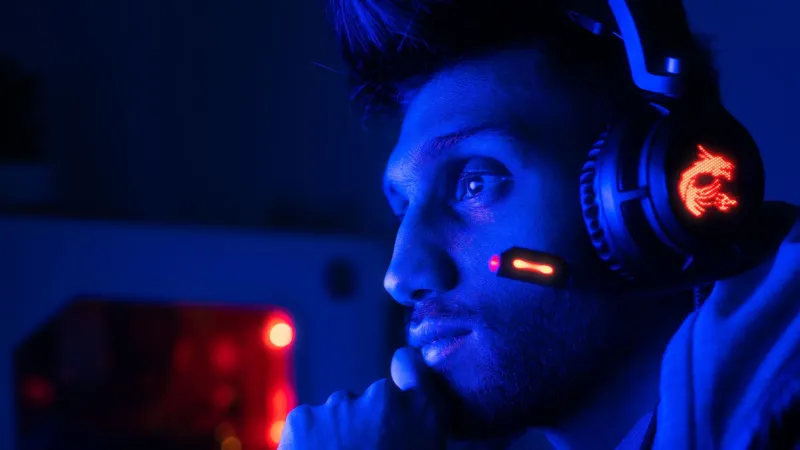
When Kris Dela Cruz first went live on Twitch from his apartment in Fresno, California, he wasn't thinking about representation or economics. He was just a Filipino American kid who loved Valorant and wanted someone to watch him play it. That was three years ago. Today, his channel pulls in over 80,000 regular viewers, he's got a Discord server that functions like a small city, and he's mentoring a cohort of younger Filipino and Vietnamese American streamers who came up watching him.
"My mom thought I was wasting time," he laughs. "Now she tells her friends her son runs a business."
He does. And he's far from alone.
Gaming Was Always in the House
There's a reason Southeast Asian American kids took to gaming culture so naturally — the culture was already there waiting for them. For a lot of families from Vietnam, the Philippines, Cambodia, Thailand, and Laos, gaming wasn't a distraction. It was a living room ritual. Internet cafes in Saigon and Manila were social hubs long before streaming existed. Kids grew up watching older cousins dominate Street Fighter cabinets or crowding around a single monitor for Starcraft matches.
When those same kids arrived in the US — or were born here to immigrant parents — they carried that relationship with gaming into a new context. The difference is that now there's a camera pointed at them, an audience paying attention, and a platform infrastructure that can turn hours of gameplay into a genuine career.
That cultural fluency, the ease with which Southeast Asian American gamers move between Filipino humor, Vietnamese slang, and American internet vernacular, is a big part of what makes their streams feel different. It's not performed diversity. It's just who they are.
The Economics of Authenticity
Here's where things get interesting for anyone paying attention to the business side. Southeast Asian American streamers aren't just building audiences — they're building economic ecosystems.
Take Nadia Tran, a Vietnamese American streamer based in Houston who started her YouTube channel during the pandemic. She plays cozy games like Stardew Valley and Animal Crossing, but her real content is the conversation happening around the gameplay. She talks about her grandmother's cooking, navigating her parents' expectations, what it feels like to grow up between two cultures. Her audience, which skews heavily toward other Southeast Asian American women, showed up hard. Sponsorships followed. Then merchandise. Then a Patreon community where members pay monthly just to be in the room.
"People don't subscribe to watch me farm in a video game," Nadia says. "They subscribe because they feel seen. That's the product."
This model — authenticity as a monetizable asset — is something marketing departments are only beginning to understand. Southeast Asian American creators figured it out organically because they had to. They weren't getting picked up by major esports organizations or featured in gaming magazine profiles. They built their own tables.
Some of the numbers are quietly staggering. Across Twitch, YouTube Gaming, and TikTok Live, there are now dozens of Southeast Asian American streamers with audiences in the tens of thousands, a handful cracking six-figure annual incomes, and a few who have crossed into genuine influencer territory with brand deals from names like Logitech, Razer, and even food brands leaning into the cultural crossover.
Mentorship as Community Infrastructure
What separates this wave of Southeast Asian American gaming creators from the broader influencer economy is the emphasis on pulling others through the door behind them. It's a value that shows up across cultures in the diaspora — you make it, you come back for the next one.
Kris runs a Discord specifically for aspiring streamers from Filipino and broader Southeast Asian backgrounds. He does monthly Q&A sessions, shares his analytics, talks openly about what deals he's turned down and why. "Nobody taught me any of this," he says. "I had to Google everything. If I can shortcut that for someone else, why wouldn't I?"
This mentorship culture is also showing up in organized ways. There are now informal collectives of Southeast Asian American streamers who cross-promote each other, host collaborative streams, and share resources. It's the kind of network that majority communities take for granted but that diaspora creators have had to build from scratch.
Changing What the Industry Sees
For a long time, the dominant image of an Asian gamer in American pop culture was either a punchline or a stereotype — the hyper-competitive Korean pro player, the quiet tech nerd, the exotic other. Southeast Asian Americans barely registered at all.
That's shifting. Not because Hollywood finally decided to care, but because streamers built direct lines to their audiences that bypassed traditional gatekeepers entirely. When millions of people spend hours a week watching a Filipino American guy crack jokes in Tagalog while clutching a Valorant match, the industry eventually has to pay attention.
Esports organizations are starting to recruit from these communities. Gaming brands are funding Southeast Asian American creator programs. And perhaps more importantly, a generation of younger kids — the ones growing up watching these streams — are seeing themselves reflected in who gets to be a gaming personality.
That might be the longest-lasting win of all. Not the sponsorships or the subscriber counts, but the simple, powerful fact that a Hmong kid in Minnesota or a Cambodian American teenager in Long Beach can look at a screen and see someone who looks like them, sounds like them, and made something real.
The game was always theirs to play. Now they're running the lobby.